Running a successful Shopify store requires more than just great products. You need powerful marketing tools to attract customers, increase conversions, and build lasting relationships with your audience. The right marketing apps can transform your store's performance, automating campaigns and delivering measurable results.
In this comprehensive guide, we'll explore the best Shopify marketing apps that can help you grow your business, from email marketing and social media management to page building and customer engagement tools.
What are Shopify marketing apps?
Shopify marketing apps are third-party tools that integrate directly with your Shopify store to help you promote your products, reach new customers, and increase sales. These apps handle everything from email campaigns and SMS marketing to social media advertising and conversion optimization. By automating and streamlining your marketing efforts, these tools free up your time to focus on other aspects of your business.
Why your Shopify store needs marketing apps
Before diving into our top picks, let's understand why marketing apps are essential for your Shopify store's success. Marketing apps help you reach customers across multiple channels, automate repetitive tasks, track campaign performance with detailed analytics, and increase conversions through personalized messaging. Without these tools, you'd need to manually manage campaigns across different platforms, which is time-consuming and often less effective.
Top 9 Best Shopify marketing apps
1. Klaviyo: Email Marketing & SMS
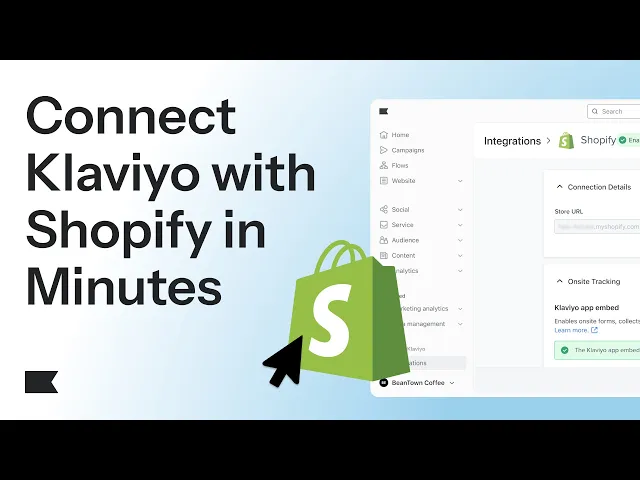
Klaviyo stands out as one of the most powerful email marketing platforms for Shopify stores. This app excels at creating personalized email campaigns based on customer behavior, purchase history, and browsing patterns.
Key Features:
Advanced segmentation and targeting
Automated flows for abandoned carts, welcome series, and post-purchase
SMS marketing integration
Detailed analytics and revenue attribution
A/B testing capabilities
Best For: Stores serious about email marketing ROI and those wanting deep customer insights.
Pricing: Free up to 250 contacts, paid plans start at $15-20/month.
2. Instant Section & Page Builder
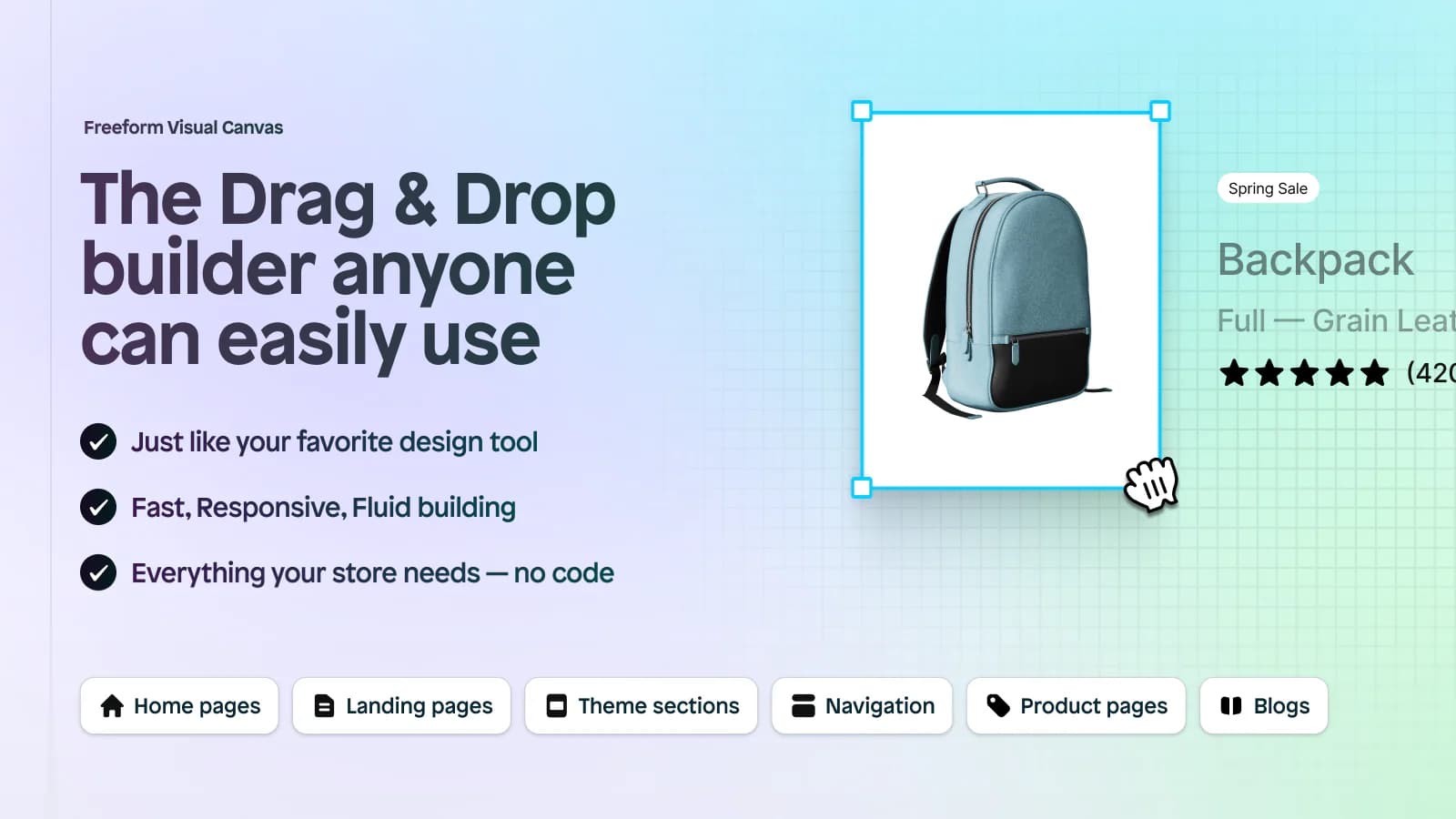
Instant Section & Page Builder revolutionizes how you create and customize your Shopify store pages without touching a line of code. This drag-and-drop builder empowers store owners to create stunning landing pages, product pages, and promotional sections that convert.
Key Features:
Intuitive drag-and-drop interface
Pre-designed templates for quick deployment
Mobile-responsive designs
Seamless integration with your existing theme
Custom section creation for homepage, product pages, and more
No coding knowledge required
Best For: Store owners who want to customize their entire Shopify theme without developers, and merchants running frequent promotions or seasonal campaigns.
Pricing: Various plans available, check the full pricing breakdown here.
3. Omnisend: Multichannel Marketing Automation
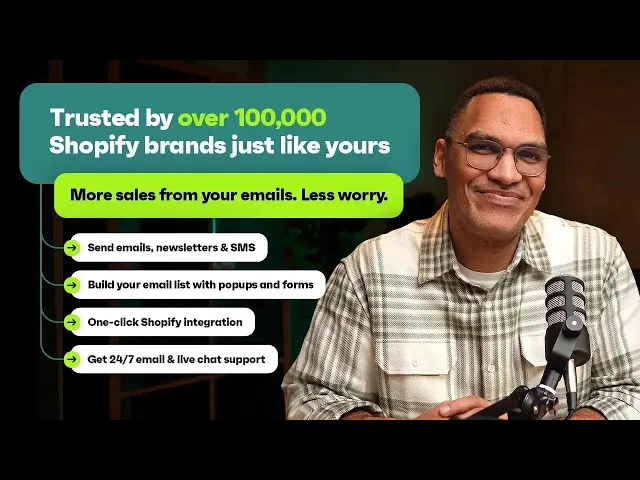
Omnisend brings together email, SMS, push notifications, and other channels into one unified platform. This app is perfect for stores that want to coordinate their messaging across multiple touchpoints.
Key Features:
Multichannel campaign creation
Pre-built automation workflows
Product recommendations
Signup forms and popups
Integration with Facebook and Google ads
Best For: Stores looking for an all-in-one marketing automation solution.
Pricing: Free plan available, paid plans from $16/month.
4. Privy: Popups and Conversion Tools

Privy specializes in capturing email addresses and reducing cart abandonment through well-timed popups and banners. The app makes it easy to grow your email list and recover potentially lost sales.
Key Features:
Exit-intent popups
Spin-to-win wheels
Cart saver campaigns
Email marketing features
Coupon code generation
Best For: Stores focused on list building and cart recovery.
Pricing: Free plan available, paid plans start at $24/month.
5. Referral Candy: Word-of-Mouth Marketing

Referral Candy automates your referral marketing program, turning your customers into brand advocates. The app makes it simple to reward customers for bringing in new business.
Key Features:
Automated referral tracking
Customizable reward structures
Post-purchase popups
Email and social sharing options
Fraud detection
Best For: Stores with loyal customers who want to leverage word-of-mouth marketing.
Pricing: Starting at $29/month.
6. Yotpo: Reviews and User-Generated Content
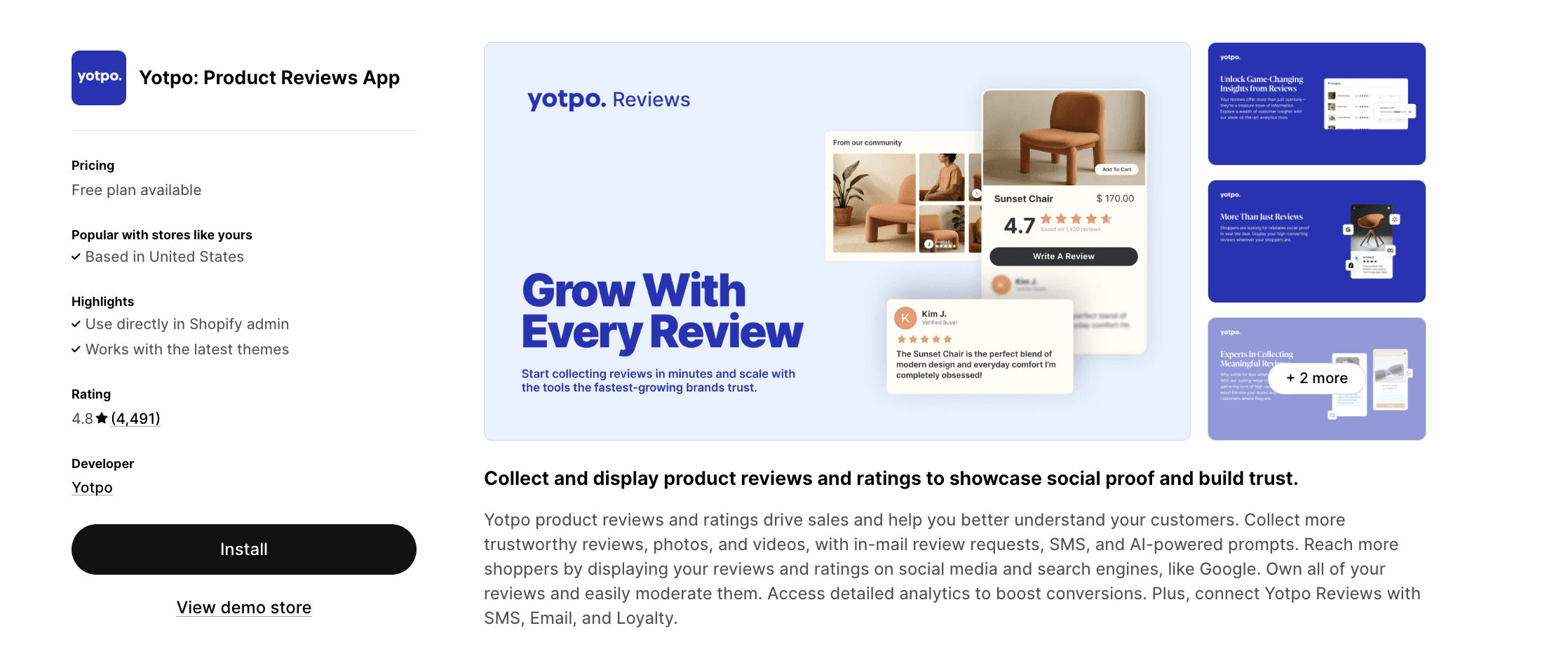
Yotpo helps you collect, manage, and display customer reviews and photos, building trust and social proof that drives conversions. User-generated content is one of the most effective forms of marketing.
Key Features:
Review collection automation
Photo and video reviews
Instagram shoppable gallery
Google Shopping integration
Loyalty program features
Best For: Stores looking to build trust through social proof.
Pricing: Free plan available, premium plans from $25/month.
7. Smile.io: Loyalty & Rewards Program
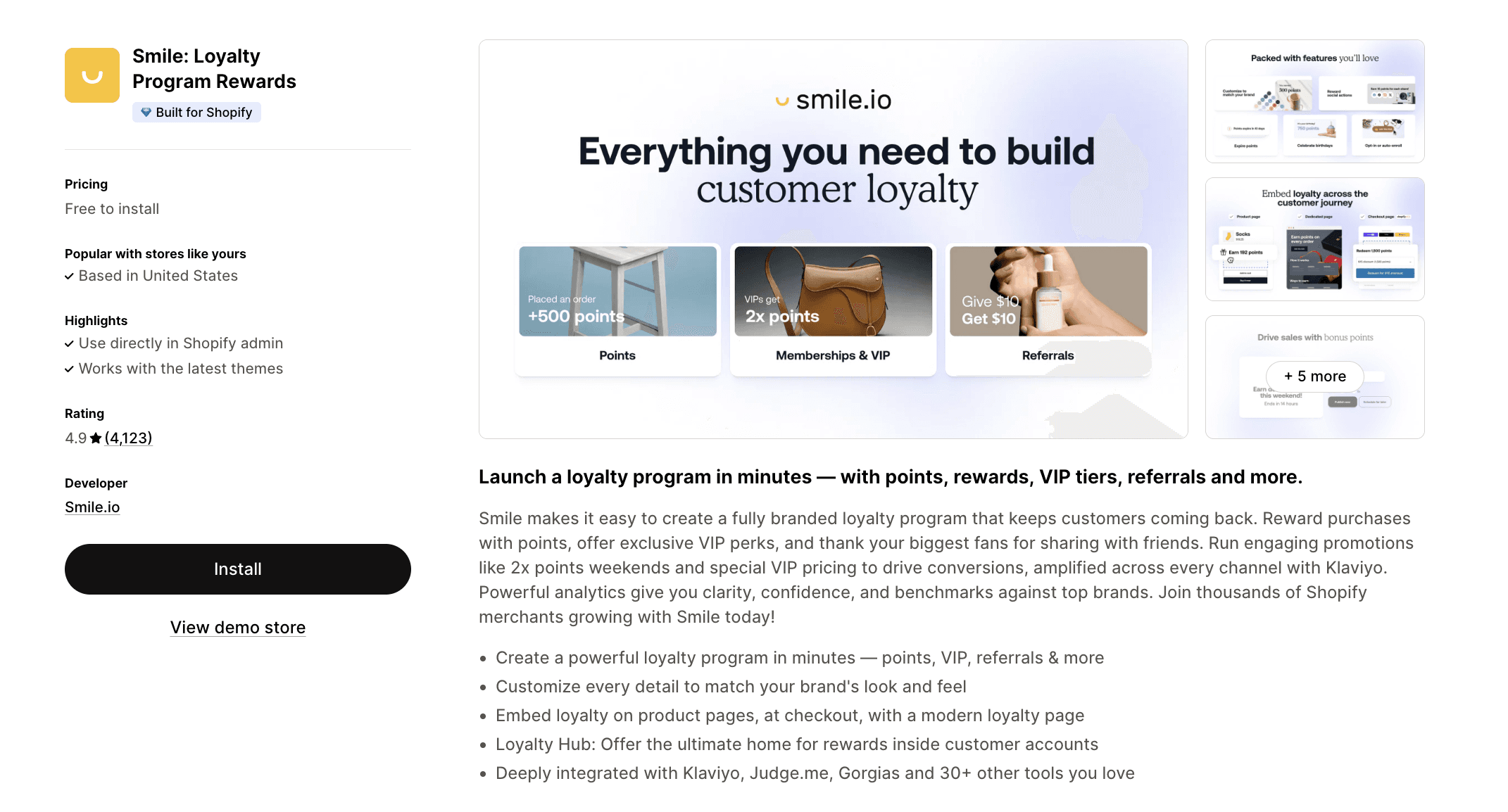
Smile.io helps you build customer loyalty through rewards programs that encourage repeat purchases and increase customer lifetime value. The app makes it easy to reward customers for purchases, referrals, and social engagement.
Key Features:
Points-based rewards system
VIP tiers for top customers
Referral program integration
Birthday rewards and bonuses
Customizable rewards launcher
Integration with email marketing platforms
Best For: Stores looking to increase repeat purchase rates and build a loyal customer base.
Pricing: Free plan available for up to 200 monthly orders, paid plans start at $49/month.
8. Seguno: Email Marketing for Shopify
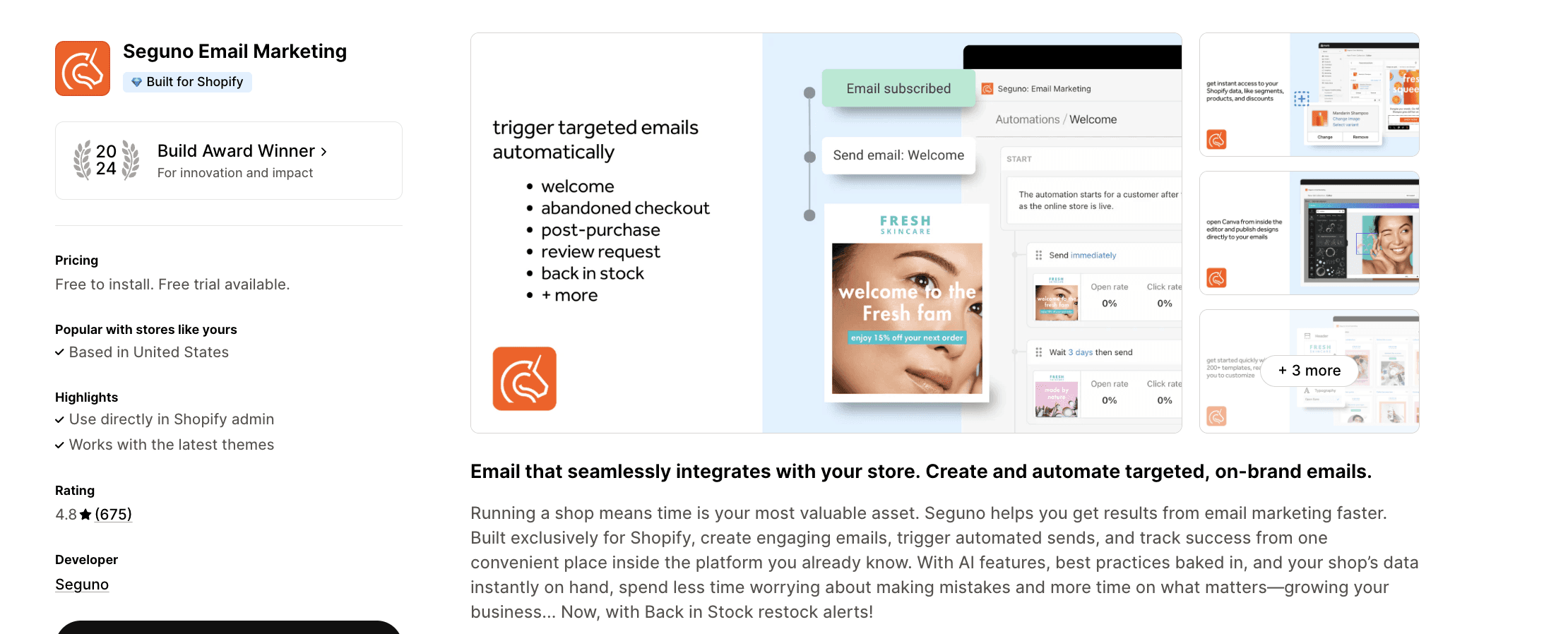
Seguno is built specifically for Shopify, offering seamless integration and user-friendly email marketing tools. It's perfect for store owners who want email marketing without the complexity of larger platforms.
Key Features:
Native Shopify integration
Pre-built automation workflows
Newsletter campaigns
Abandoned cart emails
Product review requests
Built-in templates
Best For: Shopify store owners wanting straightforward email marketing without a steep learning curve.
Pricing: Paid plans start at $35 per month.
9. Postscript - SMS Marketing & Sales

Postscript focuses exclusively on SMS marketing, helping you build subscriber lists and send targeted text campaigns that drive immediate sales. With conversational two-way messaging, you can engage customers like never before.
Key Features:
Compliant list growth tools
Automated SMS flows
Two-way conversational messaging
Advanced segmentation
MMS support (images/GIFs)
Shopify data sync for personalization
Best For: Stores ready to invest in SMS marketing as a primary revenue channel.
Pricing: Free plan available, paid plans start at $100/month.
How to choose the right marketing apps for your store
Selecting the perfect marketing apps depends on several factors unique to your business. Consider your budget and ensure the app's pricing aligns with your expected ROI. Think about your marketing goals, whether you're focused on email marketing, social media, or conversion optimization. Evaluate the technical complexity and choose apps that match your team's skill level. Look for integration capabilities with your existing tools and platforms. Finally, always check reviews and ratings from other Shopify merchants to gauge real-world performance.
Best practices for using Shopify marketing apps
To get the most from your marketing apps, start with one or two core apps and master them before adding more. Too many apps can overwhelm your workflow and complicate your strategy. Regularly review your app performance and ROI to ensure each tool is pulling its weight. Maintain consistent branding across all apps and channels for a cohesive customer experience. Set up proper tracking and analytics to measure what's working and what isn't. Keep your apps updated to access new features and security improvements.
Common mistakes to avoid
Many store owners fall into similar traps when implementing marketing apps. Avoid installing too many apps at once, which can slow down your site and create confusion. Don't neglect mobile optimization, as most customers shop on mobile devices. Make sure you're not ignoring customer data and insights that your apps provide. Failing to A/B test campaigns means missing opportunities for improvement. Always comply with privacy regulations like GDPR and CCPA, as violations can be costly and damage your reputation.
Measuring your marketing app success
Track key metrics to understand whether your marketing apps are delivering results. Monitor your email open rates and click-through rates to gauge engagement. Watch your conversion rate to see if campaigns are turning visitors into customers. Calculate customer acquisition cost to ensure profitability. Measure revenue attribution to understand which channels drive the most sales. Track your return on ad spend for paid campaigns to optimize your budget allocation.
Building your own Shopify marketing stack
The best Shopify marketing apps can dramatically transform your store's growth trajectory. Whether you're just starting out or looking to scale an established business, the right combination of tools will help you reach more customers, increase conversions, and build lasting relationships with your audience.
Start by identifying your biggest marketing challenges, then choose apps that directly address those needs. Instant Section & Page Builder offers an excellent starting point for stores that need better landing pages and promotional sections, while tools like Klaviyo and Omnisend handle your email and multichannel campaigns.
Remember that marketing apps are investments in your business growth. Choose wisely, implement thoroughly, and continuously optimize your approach based on data and results. With the right marketing stack in place, you'll be well-equipped to compete and thrive in the competitive world of e-commerce.
Ready to take your Shopify store to the next level? Start by installing one or two of these powerful marketing apps and watch your business grow. Which app will you try first?